
Earlier this week, this country bumpkin had the chance to visit the beautiful city of Halifax for the very first time. I was graced with three very full days in this city, with an entire day of travel in each direction… which is not surprising, given that qathet and Halifax are pretty much as far away as they could be while being on the mainland of Canada.
My purpose for traveling was to attend AtlSecCon, as well as to present my talk there, Finding Public Files that Were Never Meant to Be Public. Suffice to say, I had a phenomenal time, and am already excited for next year’s conference! In the meantime, I would love to share some of the things I learned about this Atlantic maritime city.
1. Halifax is designed with defense in mind
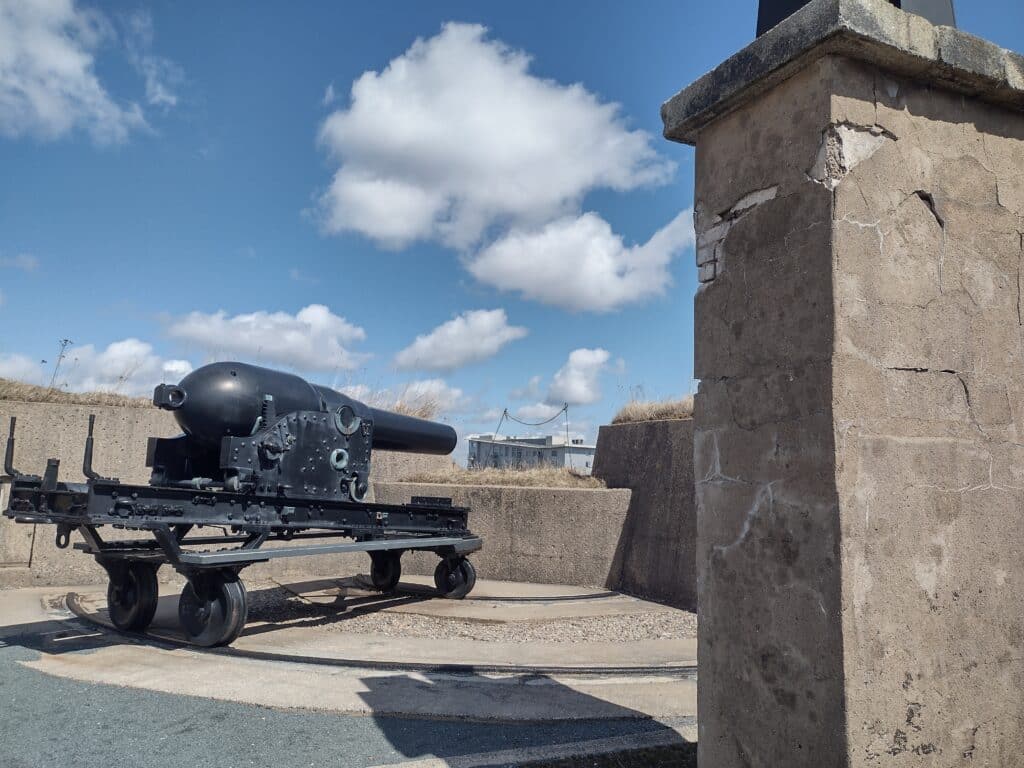
You don’t have to look very hard to realize that Halifax was built with defense as a priority. The most obvious example is Citadel Hill, which overlooks the entire downtown core and harbour, giving a clear strategic advantage of approaches over both land and sea. Beyond the Citadel, the city’s layout, sightlines, and elevation changes all reflect deliberate defensive planning, with key vantage points offering visibility over choke points. There is also a lot of beauty found in the smaller details, which reflect defensive urbanism (architecture that enforces boundaries and discourages unwanted access) in both practical and symbolic ways.
2. AtlSecCon is an absolute anomaly
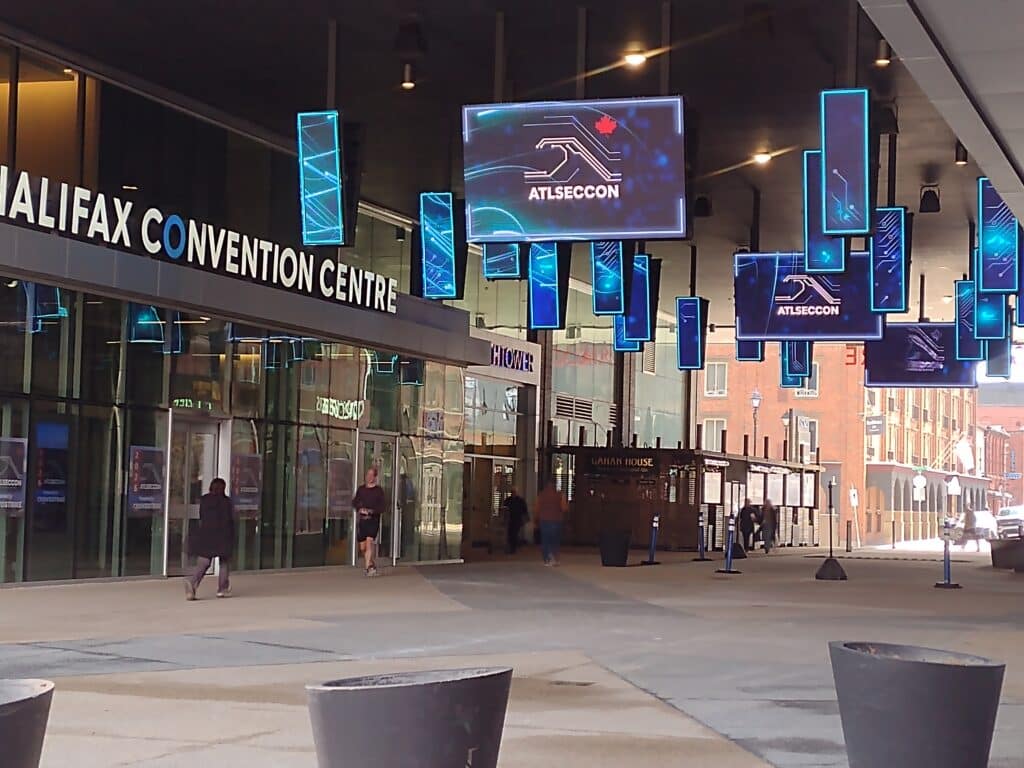
If you’ve had your fill of corporate cybersecurity conferences, AtlSecCon offers a breath of fresh Atlantic maritime air! It’s a phenomenal volunteer-run event that somehow brings in over a thousand people every year—around 1,700 this year! The talks were interesting, the vendor area was hopping, and the diversity of things to see and do at the conference was excellent.
But more than anything, it feels like a community event. Less polished corporate production, more grassroots energy. People show up because they want to be there; it reminded me more of BSides than anything else.
And given Halifax’s deep-rooted connection to defense and security, it makes sense that a conference like this would thrive here and be so supported by the community.
3. Halifax has Canada’s only immigration museum
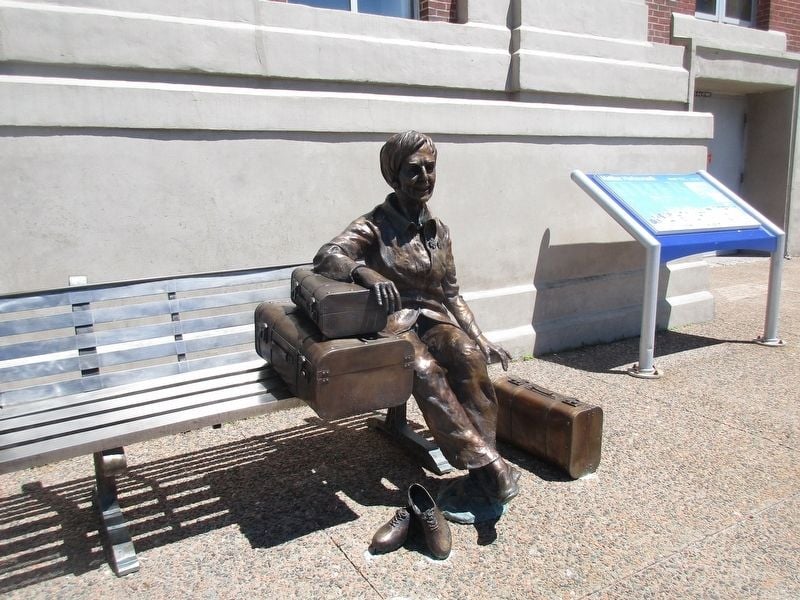
Halifax is home to the Canadian Museum of Immigration at Pier 21—a place that carries a surprising amount of national weight. Pier 21 on the waterfront functioned as a primary gateway for immigrants between 1928 and 1971, and the stories attached to it span war, displacement, hope, and reinvention. One story that stood out to me was that of Ruth Goldbloom, a driving force behind preserving Pier 21 as a museum—her work ensured that this history wasn’t quietly lost to redevelopment.
There are other museums or historical sites that touch on the theme of immigration in Canada, such as Grosse Île and the Irish Memorial and Partridge Island, but the Canadian Museum of Immigration at Pier 21 is the country’s only museum solely dedicated to the immigration experience. And it’s one of only nine Canadian national museums!
4. Donairs are the uncontested food of Halifax

Speaking of immigrants, did you know that the Halifax donair is actually a local adaptation of the doner kebab? It was introduced by a Greek immigrant who adapted the strong flavours of the traditional doner kebab to better suit local tastes—swapping lamb for spiced beef, and replacing garlicky tzatziki with the now-iconic sweet sauce made from condensed milk, vinegar, and sugar.😶 The result is something entirely its own: messier, sweeter, and unmistakably Halifax. This is probably a controversial take, but the donair feels less like a carefully constructed dish and more like a successful accident that was scrounged together from a sparse pantry in a late-night restaurant emergency. That said, I fully understand why it’s beloved—and I’ll absolutely eat another one next time I’m there!
5. Someone from Halifax is a Haligonian!
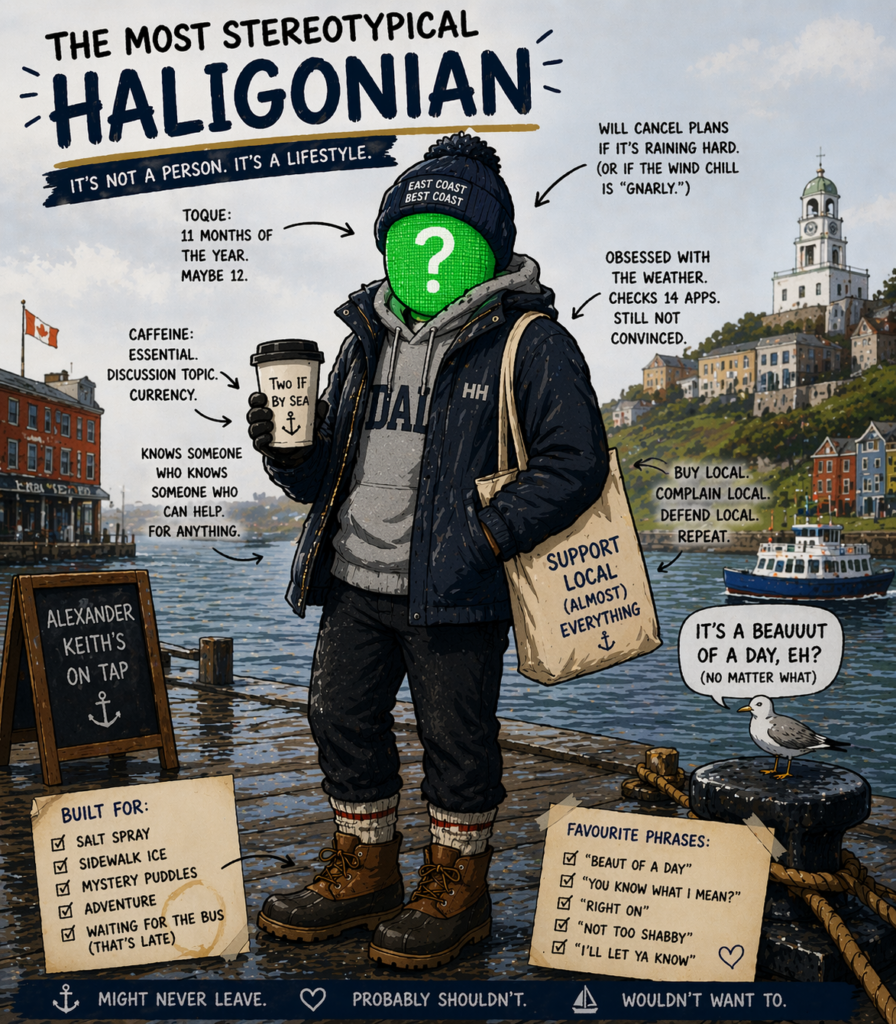
Halifaxian? NO. Someone from Halifax is called a “Haligonian,” which is not something I would have guessed. The term comes from the Latinized name for Halifax—Haligonia—and has stuck around long enough to become the accepted demonym. It sounds slightly formal and slightly archaic, but becomes completely normal once you hear it a few times.
6. Downtown Halifax has an unreasonable amount of beautiful waterfront
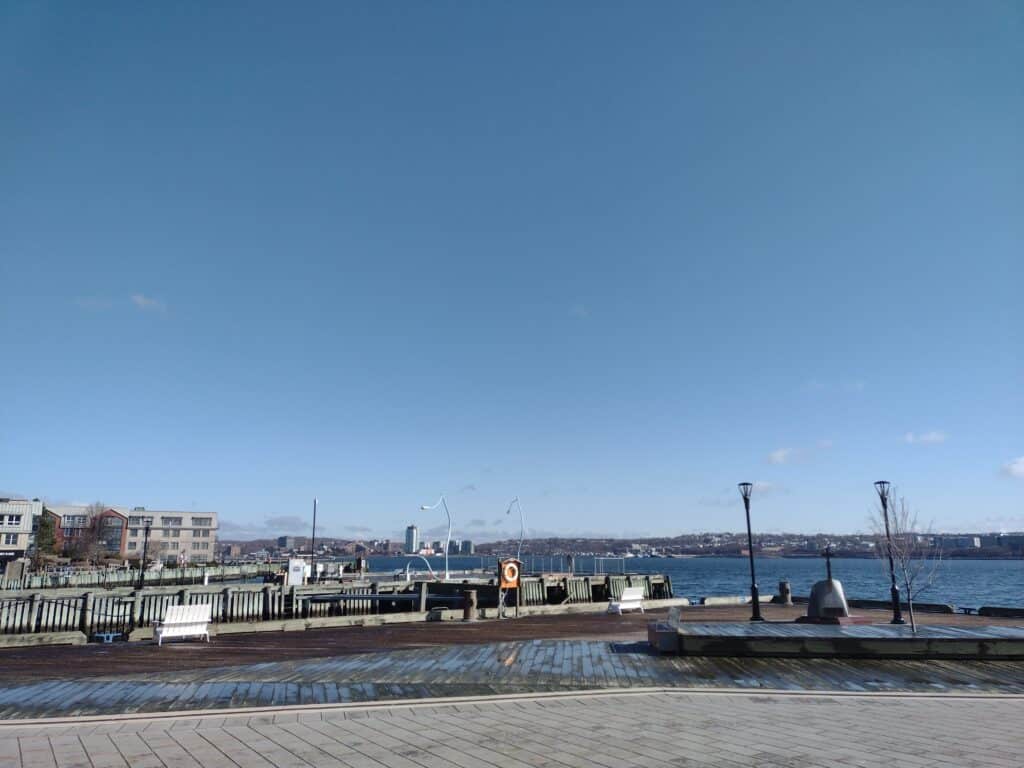
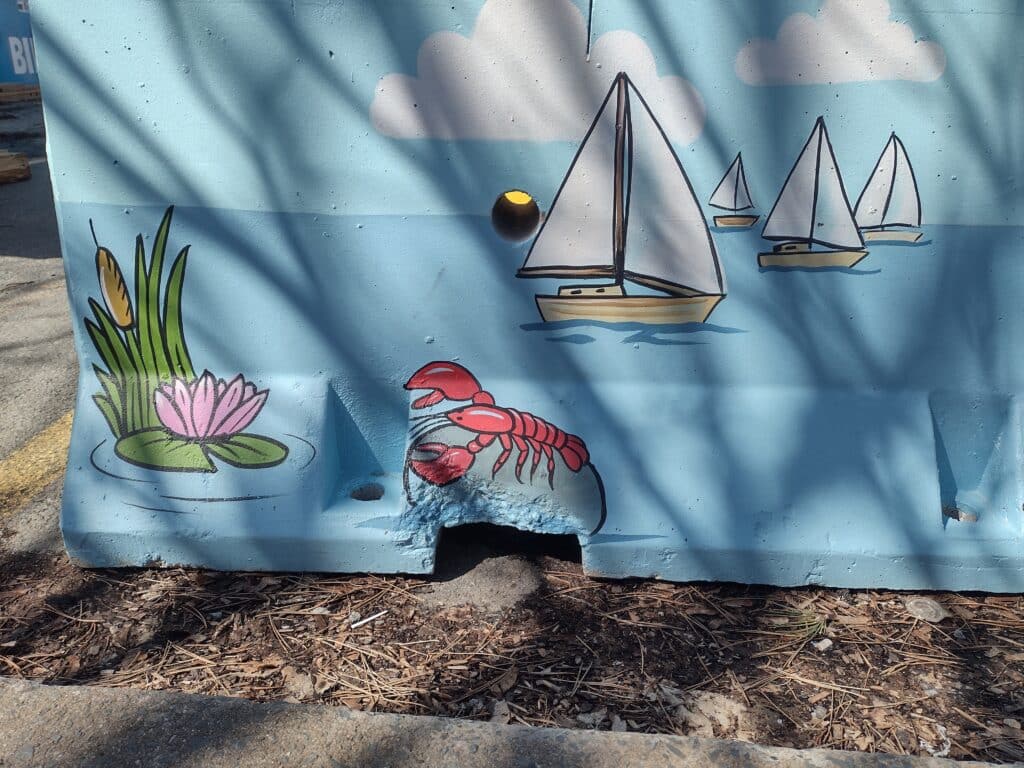
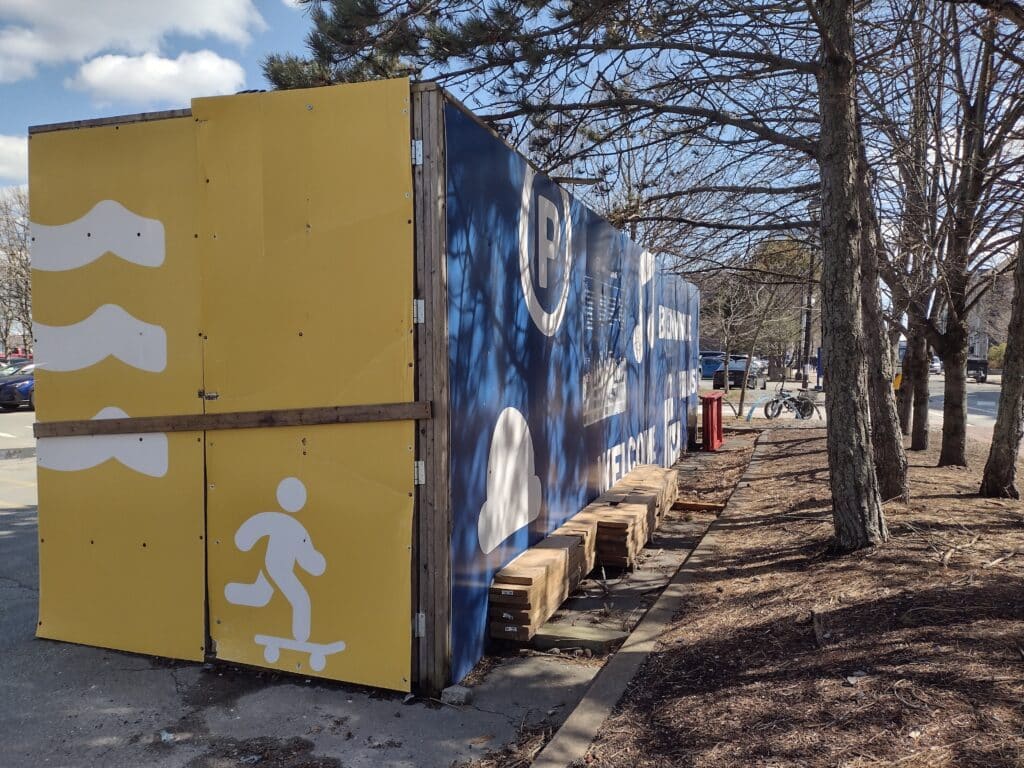
Yes, we’re talking about an astounding amount of accessible and gorgeous public waterfront. Long stretches of boardwalk, packed restaurants, public art, and enough space for people to just… exist. You see runners, families, tourists, and locals all sharing the same space without it feeling crowded. The infrastructure is surprisingly well thought out too—clean public washrooms, seating, open areas. It feels very intentional.
And yes, I did run into a couple of mice… and I met multiple visitors who were absolutely rattled after spotting one. Meanwhile, locals were completely unfazed: “Yeah, it’s a port city.” Overall, I found downtown Halifax to be a very clean and interesting city, and honestly had some serious regrets about not bringing my skateboard, as most of the downtown core seems like it would be a pleasure to skate.
7. Halifax’s food and nightlife are lit!
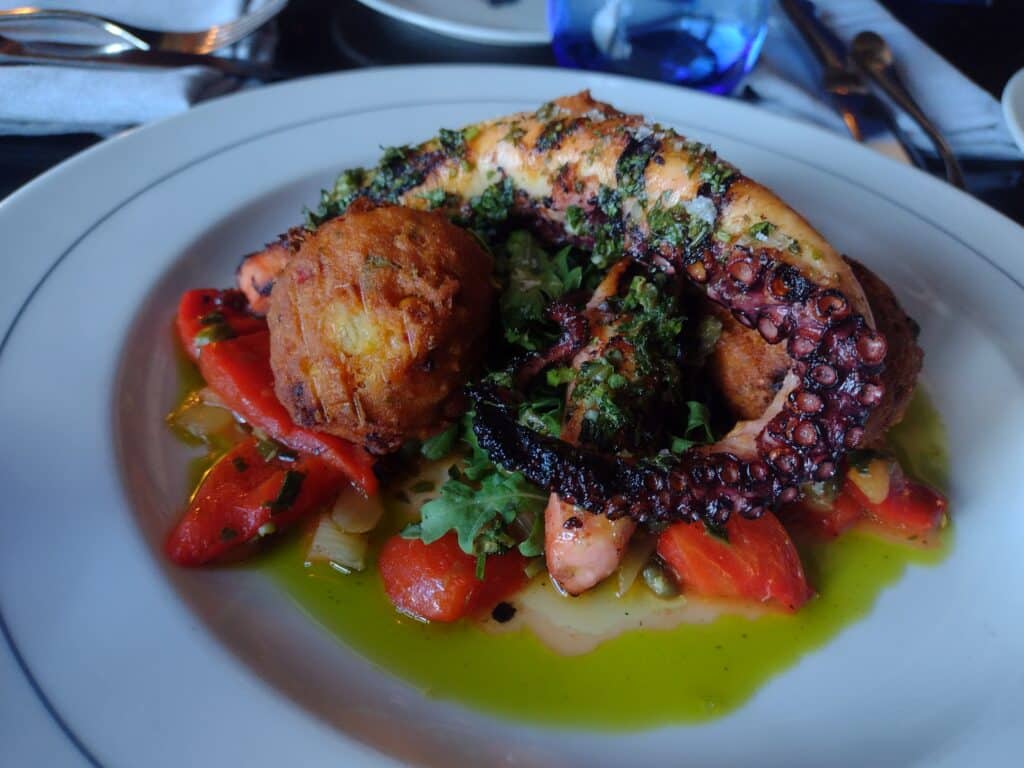
Mind you, this doesn’t mean a lot coming from me, to be honest, because I live in a pretty small town, but Halifax genuinely impressed me with its selection of restaurants and pubs.
The after-hours scene was one of the highlights of the trip. From drinks at The Lower Deck with the OSINT crew to appetizers at Antojo Tacos + Tequila and Niche Lounge, to the thoughtful and beautiful dishes at The Bicycle Thief—the range and quality were hard to ignore.
Late into the night, the city stayed lively—patios still buzzing, music drifting out onto the streets, and a steady flow of people.
My biggest take-away
Overall, the biggest thing I learned on my trip to Halifax is that it may be far from where I live, but it will always be close to my heart.
PS: If you enjoyed my talk and would like some of the resources on the slide deck, please reach out! I’d be happy to share those and other resources.